
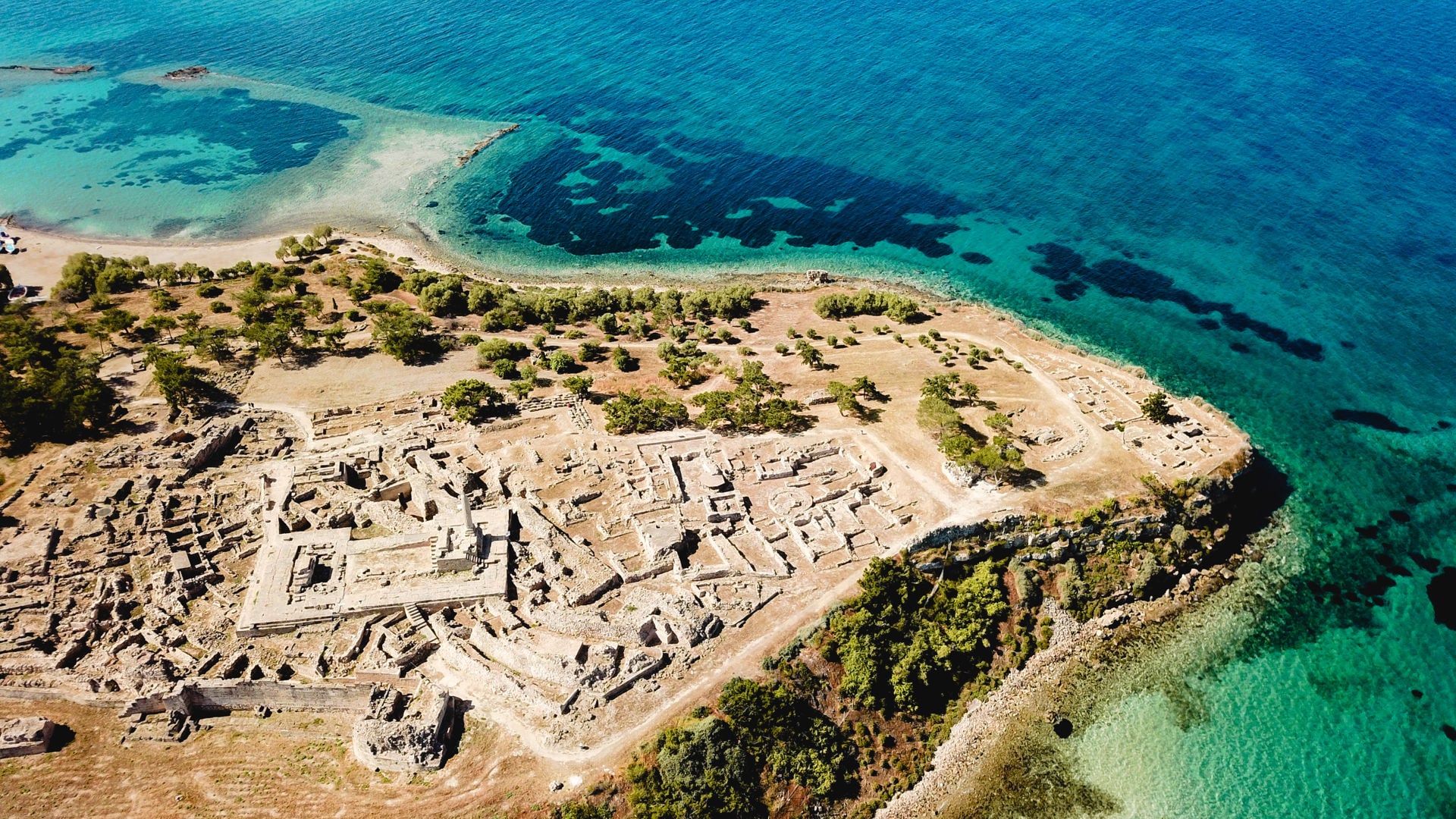
Greece is more than a spot on a map. It is a deep, sensory experience that stays with you long after you fly home. Think of sun-baked marble at ancient temples and the cool, salty breeze of the Aegean Sea. The country calls to the soul of every international traveler.
If you are planning a getaway for 2026, the number of choices can feel huge. How do you decide which islands to visit and which ruins to explore? Which tavernas serve the most authentic food? That is where we step in.
At My Greece Tours, we turn those hard choices into the trip of a lifetime. Our founder, Yannis Divramis, is a native Greek. He grew up exploring the hidden coves of Milos and the volcanic cliffs of Santorini. For him, our mission is deeply personal.
We believe that travel through our homeland should be smooth, rich, and made just for you. You may love history, or you may simply want a sun-drenched island escape. Here is why choosing My Greece Tours can lead to an unforgettable 2026 getaway.
Tailored Itineraries Designed for Every Type of Traveler
No two travelers see the world in the same way, and your vacation should show your own passions. At My Greece Tours, we do not sell one-size-fits-all packages. Instead, we build custom trips that put real, personal exploration first.
For us, a tailored itinerary for every type of traveler starts with listening. Every My Greece Tours plan begins with what you actually want from your holiday. Then we build the trip around your answers.
Are you a history buff who wants hours among the ancient palaces of Knossos in Crete? Or do you want to admire the Byzantine glory of Mystras in Laconia? We can build a plan that gives you all the time you need, without any rush.
Maybe you are a relaxation seeker. You might want nothing more than an icy frappé by the water in Messinia or Skiathos. We adapt fully to your interests, whatever they are.
Our itineraries have flexible schedules, so you are never stuck in a rigid march from dawn to dusk. We add optional excursions to your timeline. You choose how busy or how relaxed each day will be.
Say you wake up and want to hike the green trails of Pelion instead of visiting a museum. Then we change the plan. A truly unforgettable vacation needs the freedom to explore at your own pace. Top-quality service from local experts at My Greece Tours, who know the land well, makes that possible.



Crafting the Perfect Island-Hopping Adventure
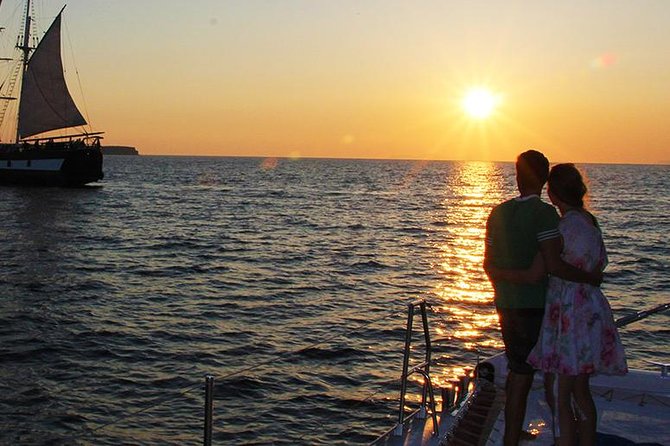
For many international travelers, the big Greek dream is sailing across the Aegean or Ionian seas. You hop from one breathtaking island to the next. But let’s be honest: ferry times, port transfers, and island stays can become a logistical nightmare.
At My Greece Tours, we take great pride in crafting the perfect island-hopping adventure. That way, you can simply focus on the scenery.
Our founder, Yannis, spent every summer island hopping around Greece. He often spent at least a month exploring places like Lefkada, Corfu, and Patmos. That deep, personal knowledge turns into well-planned routes that save you time.
We know which ferries run reliably. We know how to order the islands so you avoid needless backtracking. We also know where to find hotels in the best spots.
Imagine waking up in a boutique hotel on the famous black-sand shores of Santorini. In the afternoon, you take a pre-booked ferry.
You arrive in Milos just in time to watch the sunset over the dramatic white rocks of Kleftiko. It is one of the thousands of times Yannis himself has made that exact trip.
My Greece Tours handles the details of domestic travel so well that the trip between islands feels like part of the vacation. It does not feel like a travel chore.
Expert Local Guides Bridging Ancient History and Modern Culture
Reading a plaque at an archaeological site is one thing. Standing beside a passionate local who brings the ruins to life is very different. Our secret weapon is our team of expert local guides, who link ancient history and modern culture.
They are native speakers and devoted Greece tour lovers. Our leaders give you much more than lines from a textbook. They tell insider stories that connect the ancient past to the lively present.
Stand before the towering columns of the Acropolis or trace the weathered steps of the Parthenon in Athens. Our guides share insights you cannot find on an app or an audio guide. Yannis visits Athens every month. He keeps refreshing his knowledge and deepening his bond with these places.
We help you understand not just how the Olympic Stadium was built, but what it meant to the citizens of antiquity. We also show how that competitive, passionate spirit still fuels modern Greek society today.
We don’t just point out dates and building styles. We talk about the politics of the era and the myths that shaped what people believed. We also show how the shadow of these ancient monuments shapes daily life in 21st-century Greece.
This deep storytelling from My Greece Tours guides turns a regular sightseeing trip into a rich learning journey. It is perfect for cultural explorers who want to understand the true heart of our country.
Book tours now:


Seamless Booking and Stress-Free Travel Logistics
If one thing can quickly drain the joy from an international getaway, it is worry about travel logistics. Sorting out connections, matching ferry times with hotel check-ins, and wondering if your taxi will show up at the port can be exhausting.
That is why we put easy booking and stress-free logistics first for every guest. When you book with us, we take the heavy planning off your shoulders. We handle hotels, local transfers, port pickups, and exact timings.
Our booking partners make sure every leg of your journey is locked in long before your plane lands in Athens. We watch for ferry delays and talk directly with hotel front desks. We also make sure your drivers wait where they should. For more ideas, explore Greece tours and Tours In Greece.
This level of support frees you from the constant, low-level stress of finding your way. You are meant to be on vacation, fully in the moment, not refreshing a scheduling app on your phone. By managing the hidden work behind your trip, My Greece Tours promises comfortable, hassle-free stays.
You simply show up, relax, and soak in the legendary Greek hospitality. Our dedicated team has already double-checked every detail of your itinerary.
Immersive Cultural Experiences Beyond the Standard Guidebooks
A great vacation lets you see a country. An unforgettable vacation lets you feel it. At My Greece Tours, we are deeply committed to immersive cultural experiences that go beyond the standard guidebooks. Anyone can look up the top ten attractions in Greece, but finding hidden gems takes real local connections.
We offer our guests shared group bonding moments and exclusive access to hidden spots that most tourists overlook. Our guides are locals themselves, so they have wide personal networks. We use these links to help guests meet artisans, shop owners, and villagers in real, friendly ways.
We guide you away from the dense tourist crowds. That might mean a quiet, shaded monastery in Meteora or a tucked-away coastal village in Pelion. You step into the true rhythm of Greek life.
You don’t just watch the culture from behind the window of a tour bus. You step right into the middle of it, alongside the people who call it home.


Exploring Iconic Historical Ruins With Insider Knowledge
Greece is essentially an open-air museum, home to some of the most important archaeological treasures on the planet. Yet visiting these sites without context can feel a bit dry. We help you explore iconic historical ruins with insider knowledge. Every fallen column and ancient mosaic gets a good story.
Our tours take you to world-renowned wonders like the massive Temple of Zeus in Athens or the sacred, sun-bleached ruins of Delos. But we do more than get you through the gate. We give you guided depth on ancestry, history, and mythology.
You will learn about the daily lives of the people who walked these streets thousands of years ago. We explain the engineering marvels behind the buildings and the dramatic events that led to their ruin.
My Greece Tours blends well-researched history with captivating storytelling. That way, your encounters with Greece’s legendary past feel moving and mentally stimulating.
Savoring Authentic Flavors Through Exclusive Culinary Excursions
You cannot claim to have experienced Greece without diving headfirst into its food culture. Food traditions here pass down through generations, and we are thrilled to share them with you. Our guests enjoy authentic flavors on exclusive culinary excursions that go far beyond a typical restaurant meal.
Our carefully chosen Mediterranean meals and lively group dinners highlight the best fresh, local food. Imagine sitting at a long wooden table in a traditional taverna. You sample locally pressed olive oil, freshly caught seafood, and warm pita bread, all while watching a stunning sunset.
We guide you to the places where Greeks actually eat, and away from overpriced, inauthentic tourist traps. You might taste strong local cheeses in a mountain village. You might sip crisp Assyrtiko wine grown in the volcanic soil of Santorini.
Food tours with My Greece Tours are a gateway to the soul of the country. Food is our love language, and sharing it with you in stunning settings is one of our greatest joys.




Unmatched Value and Trust for International Explorers
Traveling to a foreign country takes a leap of faith, especially on a big, multi-destination trip. We know how much value and trust matter to explorers from abroad.
Over the years, our top-quality, reputable service has built a strong sense of safety and community among our guests. We provide a 24/7 support line, so you never feel stranded, whatever the time of day.
When you travel with My Greece Tours, you are never just a booking number. You are an honored guest in our home country. Our global groups often say they feel secure, well cared for, and deeply valued.
We are open about our prices, with no hidden fees or surprises. The value we offer lies not only in comfortable stays or smooth logistics. It lies in the rich experiences we help you enjoy.
My Greece Tours is proud to be a reliable partner who aims to beat your expectations. We want your investment to turn into memories that last a lifetime.
Conclusion
As you look ahead to your 2026 travel plans, we invite you to see our homeland in a truly extraordinary way. Choosing My Greece Tours means a journey that is expertly crafted, rich in culture, and free of logistical stress.
Our island-hopping adventures are tailored to you. Our passionate local guides share deep insights. Every part of our service is built to celebrate the magic of Greece.
Let us take care of the details while you focus on making memories. You could explore ancient ruins, savor fresh Mediterranean food, or simply relax on a pristine, sun-drenched beach.
We cannot wait to welcome you to My Greece Tours, share our stories, and show you the authentic heart of Greece. Let’s make 2026 the year you take the getaway of a lifetime.
Key Takeaways
- Choose My Greece Tours for fully customized itineraries tailored to your unique interests, from ancient history to relaxing island escapes.
- Experience seamless island-hopping adventures as all complex logistics like ferries, transfers, and accommodations are expertly handled for you.
- Connect deeply with Greek culture through passionate local guides who provide insider knowledge and stories you won’t find in guidebooks.
- Enjoy completely stress-free travel with every detail managed, from seamless booking and transfers to dedicated 24/7 support.
- Discover authentic Greece through exclusive culinary excursions and access to hidden gems that most tourists miss.
Frequently Asked Questions
What makes a trip with My Greece Tours different from a standard package holiday?
My Greece Tours offers fully customized trips built around your personal interests. We replace rigid schedules with flexible itineraries and optional excursions. Your vacation becomes a unique, stress-free exploration of Greece, from its historical ruins to its calm beaches, all at your own pace.
How does My Greece Tours handle the logistics of island hopping?
My Greece Tours manages all the complex details of island hopping, including reliable ferry schedules, port transfers, and hotels in prime locations. Our expertise comes from our founder’s personal experience. That gives you an easy, enjoyable journey between islands, with no logistical stress.
What value do your local guides add to the experience?
Our native Greek guides at My Greece Tours share insider stories that connect ancient history with lively modern culture. They give deep context at sites like the Acropolis. They also lead you to authentic experiences and hidden gems that tourists often miss, which turns your trip into a rich cultural journey.
Are your tours suitable for solo travelers?
Yes, our tours are a great option for solo travelers. My Greece Tours builds a sense of community and safety within each group, with shared bonding moments and expert guidance. With all logistics handled, you can explore Greece with confidence and meet fellow international explorers in a secure, welcoming setting.
How far in advance should I book my Greece trip?
For a 2026 trip, My Greece Tours recommends booking at least 9-12 months in advance, especially for peak season (June-August). Early booking gives you the best choice of places to stay. It also gives our team enough time to carefully craft your personal itinerary and secure all needed reservations.
Why does responsible travel matter on a trip with My Greece Tours?
Greece is very popular, and some places feel the strain in summer. Small choices by visitors can ease that pressure. A trip with My Greece Tours is a good moment to start making them.
What overtourism looks like in Greece
Overtourism happens when too many visitors arrive in one place at the same time. In Greece, it shows most in July and August, on famous islands and at top ruins. Lanes fill up, prices rise, and local people lose their quiet space.
Many island villages are home to only a few hundred people in winter. In summer, visitors can outnumber residents many times over. Roads, water supplies and rubbish services must cope with that sudden jump.
Famous spots such as Santorini, Mykonos and the Acropolis feel this most. Cruise ships can drop thousands of people in a few hours. Smaller places feel the same pressure, just on a smaller scale.
What responsible travel means
Responsible travel is simple, because you try to leave a place as good as you found it, or a little better. You spend money where it helps local people, and you take care of nature and old stones.
You do not have to be perfect. A few habits, like shorter showers and local meals, add up across a whole season. Guests of My Greece Tours can treat this guide as a plain, friendly checklist.
Think of three simple questions. Who gains from my money? What does my visit use up? What will I leave behind? Asking them before each choice makes responsible travel feel natural instead of hard.
How to use this guide
Each section below covers one habit, from seasons and hotels to sea care and tipping. Read them in any order. For a wider overview, see this guide to sustainable travel in Greece.
If you want fewer crowds, start with hidden gems beyond the tourist trails. Then talk with My Greece Tours about which ideas fit your own trip.
Which places suit responsible travel with My Greece Tours?
Smaller islands, mountain villages and less crowded heritage sites suit responsible travel well. Any place can work if you visit at a quiet time. The ideas below are good starting points for a plan with My Greece Tours.
Quiet islands for slow travel
- Amorgos: a rugged Cyclades island with old footpaths and a monastery built into a cliff.
- Sifnos: a Cyclades island known for pottery, good food and a network of walking paths.
- Ikaria: a slow-paced Aegean island with a relaxed way of life and lively village festivals in summer.
- Astypalaia: a small butterfly-shaped island with a white hilltop town and a castle.
These islands have fewer hotel beds, so reserve early and stay a few nights. A longer stay puts more money into local families and fewer miles on the ferry.
Mainland places with old stories
- Meteora: monasteries on tall rock pillars in central Greece, best seen early or late in the day.
- Pelion: green mountain villages with stone houses, forest trails and quiet beaches.
- Mycenae: a Bronze Age citadel in the Peloponnese, famous for its Lion Gate.
- Delphi: an ancient sanctuary of Apollo on the slopes of Mount Parnassus.
Go early in the morning or late in the afternoon. The light is softer, the paths are calmer, and you avoid the midday heat.
Hire a local guide at these sites to hear stories you would miss alone.
Small islands and a big city outside peak months
- Paxi and Antipaxi: two small Ionian islands with olive groves and clear water.
- Kythira: an island south of the Peloponnese with white villages and wild walking routes.
- Thessaloniki: a northern port city with Byzantine churches, a long seafront and strong food traditions.
- Naxos: the largest Cyclades island, with farms, mountain villages and long sandy beaches.
Spring and autumn suit all four places. Shops, farms and cafes are open, and the pace is gentle. Ask My Greece Tours how to link them with quieter ferry routes.


How many days should a responsible trip with My Greece Tours last?
Plan at least seven to ten days for a relaxed trip. Fewer places and more nights in each one is the more responsible way to travel. Slow travel with My Greece Tours also means fewer ferries and fewer bags to carry.
Fewer stops, longer stays
Every move between hotels needs a ferry, bus or car. Two or three bases in ten days use far less fuel than six bases. You also get to know a place instead of just passing through.
Locals notice the difference too. A guest who stays three nights can eat in the same taverna twice and say good morning to the baker. That kind of visit builds friendly relationships.
Fewer stops also mean fewer packing days, which are tiring for everyone. You arrive rested and spend more time in the sea, on the trails and at the table. Slow trips are often the ones people remember best.
Sample plans by length
With five days, stay in Athens and add one day trip. With a week, pair Athens with one island. For a longer break, try ten days with two island bases and one mainland stop.
This seven-day itinerary through Athens, Santorini and Mykonos shows how a week can look. You can trim it to one island for a slower and gentler pace.
Longer trips also let you add a mainland stop by train or bus, then reach an island by ferry. That path avoids short flights. It also lets you see a village or a ruin on the way.
Plan with room to breathe
Leave one empty afternoon in every three days. Weather, ferry changes and tiredness are normal on any trip. Free time also lets you wander and discover small places on your own.
If you like to build your own plan, read this guide to self-guided itinerary planning. Then share your ideas with My Greece Tours and ask for honest feedback.
When should I travel with My Greece Tours to avoid peak crowds?
Late April to early June and mid-September to October are the quietest good months. Early mornings and late afternoons are calm at any time of year. You can ask My Greece Tours to plan around these windows.
Why shoulder season works
Shoulder season is the time between the busy summer and the quiet winter. The weather is mild, the sea is still warm in autumn, and ferries run on most routes.
Rooms are often cheaper too, and staff have more time to chat. Local cooks can focus on good food instead of full tables. You also take pressure off places that struggle in July and August.
Nature is at its best too. Spring brings wild flowers and green hills, while autumn brings gentle light and the grape harvest. Ask My Greece Tours which activities fit your dates.
Beating the crowds at famous sites
The Acropolis now uses timed entry slots, so book a slot for the first or last hour of the day. Midday is both the hottest and the busiest time. This guide to avoiding crowds at the Acropolis has more ideas.
Buy timed tickets only from official sources. Having your slot ready means you move straight in and spend less time standing in the sun.
The same trick works elsewhere: visit big ruins right at opening, then rest in the shade at noon. Return to a museum or a quiet cafe for the hot hours.
Winter and midsummer notes
In winter, many island hotels and restaurants close, and ferries run less often. Cities such as Athens and Thessaloniki stay lively all year. In midsummer, swim early and plan indoor visits for the heat of the day.
For a month-by-month view, see this guide to the best time to visit Greece. Share your dates with My Greece Tours and ask which weeks are calmest.
Why stay in small family hotels when travelling with My Greece Tours?
Small family hotels keep more of your money in the local community. They are often quieter, friendlier and lighter on local resources. Ask My Greece Tours to include them in your plan.
Where your money goes
When you stay at a family guesthouse, your payment goes to a local household. It pays for the cook, the cleaner and the farmer who supplies the eggs and honey on your breakfast table.
Large resorts bring jobs too, but more of their profit can leave the island. A mix of both is fine. Leaning toward small places is the simple improvement for responsible travel with My Greece Tours.
Small hotels often hire people from the same village year after year. The owner usually knows the bakers, fishers and boat captains by name. Your stay becomes part of a living local network.
What to look for
Look for solar water heaters, which are common on Greek roofs and good for the environment. Check whether towels and sheets are changed on request instead of every day. Ask whether the owners buy food from nearby farms.
Small signs tell a lot. A breakfast with local honey, cheese and fruit shows ties to nearby farms. A card in the room that asks you to reuse towels shows the hotel cares about water.
A short message to the owner usually gets a clear answer. For a wider choice, see this guide to eco-friendly places to stay in Greece.
Villages as bases
A village base spreads visitors across the map. Staying in a small settlement and walking to the tavernas brings life to places that need it. You also hear church bells and roosters instead of traffic.
Browse traditional Greek villages to visit for ideas. My Greece Tours can help you pick one that suits your pace and your budget.
How can I eat and shop locally on a trip with My Greece Tours?
Eat in family tavernas and buy food and crafts straight from local producers. Choose what is in season and made nearby. This is one of the easiest habits to keep on a trip with My Greece Tours.
Eating at local tavernas
A traditional taverna uses nearby vegetables, olive oil, cheese and fish. Look for short menus and dishes of the day, and ask what is fresh so the owner can guide you.
Try the simple dishes, like beans, greens, grilled fish and salads with local olive oil. They use what grows nearby, and they often taste the best. A huge menu on a small island is often a sign that much of it comes from a freezer.
Share a few plates between the group when you eat out with My Greece Tours. Greek meals are made for sharing, and sharing cuts food waste. For ideas on what to order, try this guide to Greek food to try on tour.
Buying from local producers
Honey, olive oil, herbs, cheese, wine and pottery all make fine gifts. Buy them from farmers, cooperatives and village shops rather than from stands that sell inexpensive imported goods.
A Greek food market is an easy place to start. Ask the seller where the product was made, and taste it before you purchase.
Think about weight and rules before you buy. Olive oil and honey travel well in sealed bottles in your checked bag. Ask the seller to wrap fragile pottery well, so it arrives home in one piece.
Cutting waste at the table
Order what you can finish, and take leftovers only if it feels natural. Skip plastic straws and single-use cups when you can. Carry a small cloth bag for market shopping.
These small, everyday actions matter on islands, where rubbish must travel by ship. Guests of My Greece Tours can lead by example and make it look easy.
How do I save water and energy on dry islands with My Greece Tours?
Take short showers and switch off lights and air-conditioning when you leave your room. Many Greek islands have very little fresh water. These habits are easy to follow on any trip with My Greece Tours.
Why water is precious
Many Cyclades and Dodecanese islands get little rain, so they depend on desalination plants and water brought in by ship. Hot, busy summers push that supply to its limit.
Making fresh water from the sea takes a lot of energy. A short shower, a closed tap while you brush your teeth, and reused towels all help.
Water trucks and ships often deliver supply to the busiest islands in summer. When you save water, you leave more for gardens, families and local farms. Ask your host if the house has any water rules.
Saving energy in hot weather
Air-conditioning uses a lot of power, and many small islands make their own electricity with fuel-burning generators. Close shutters by day and open windows at night.
Turn the unit off when you go out. A hat, a light shirt and a cool drink in the shade keep you comfortable with less power.
Charge your phone and camera during the day, and unplug chargers when you leave. Small acts, repeated by thousands of guests, make a real difference.
Drinking water and plastic bottles
Ask your host whether the tap water is safe to drink. In Athens it usually is. On many islands people buy large bottles, so refill a small bottle from a big one.
A refillable bottle cuts plastic waste fast. For more kit ideas, read this guide to packing light for Greek island tours. Light bags are also easier on ferries and stairs.
How do I protect the sea on a boat trip with My Greece Tours?
Use mineral sunscreen, and keep boats and bodies away from delicate seabed. Take all of your rubbish back to shore. Sea care is part of a good boat day with My Greece Tours.
Choosing reef-safe sunscreen
Greek waters have no tropical reefs, but some sunscreen chemicals still harm fish and seagrass. Choose a mineral sunscreen with zinc oxide, and put it on before you reach the beach.
Wear a hat and a light long-sleeved swim shirt to use less cream. Look for labels that say reef safe or mineral, and read the list of ingredients.
Mineral sunscreen can look white on the skin, but it blocks the sun well. Reapply it after you swim and every two hours or so. Seek shade at midday, when the sun is strongest.
Boats, anchors and seagrass
Seagrass meadows, called Posidonia, grow on the Greek seabed, where they shelter fish and grow very slowly. A dropped anchor can tear them up.
Pick boat trips that use mooring buoys or sandy anchor spots, and ask My Greece Tours to help you compare options. This guide to boat tours in Greece and this overview of sailing holidays in Greece explain what to ask.
If you join a day cruise, ask about the group size and where the boat stops. A few boats at a quiet bay are fine. Twenty boats at one cove can stir up the water and scare the fish.
Leave no trace on the beach
Carry out everything you bring in, including cigarette ends and bottle caps. Leave shells, stones and sand where they are. Many beaches have no rubbish bins, so bring a small bag.
Keep music low and give other swimmers plenty of space and privacy. Quiet beaches stay quiet when every visitor behaves like a neighbor. My Greece Tours guests can set the tone for a whole bay.
How do I respect wildlife such as sea turtles and monk seals with My Greece Tours?
Keep your distance, stay quiet and never feed wild animals. Let turtles and seals rest, nest and hunt without interference. This rule applies to every trip with My Greece Tours.
Sea turtles and nesting beaches
Loggerhead turtles nest on some Greek beaches in summer. The island of Zakynthos is famous for its marine park. Hatchlings find the sea by following light, so bright lights on the beach confuse them.
Stay out of marked nesting zones. Do not use sunbeds on roped-off sand, and keep torches off at night. Watch turtles from a boat at a safe distance, and never touch a nest.
If you swim near turtles, keep a good distance and never chase them. Let them come up to breathe on their own. Do not use flash photography or drones near nesting beaches. Stay calm and slow.
Monk seals and sea caves
The Mediterranean monk seal is one of the rarest seals in the world, and Greek waters are one of its last homes. Seals rest in quiet sea caves, so keep noise low and stay out of caves.
If you meet a seal, do not swim toward it or try to touch it. Do not feed fish or other animals either. Animals that expect food lose their natural fear and can get hurt.
If you see a seal in trouble, tell a local wildlife group or the coast guard. A calm call can save an animal.
Donkeys, cats and other animals
Choose sights where animals are well treated. Avoid rides on tired or overloaded animals in the heat. On Santorini, the cable car and your own feet are kinder than donkey rides on the steps.
For wild places to visit with care, see this guide to nature reserves in Greece. Ask My Greece Tours about ways to see wildlife without disturbing it.
How do I respect archaeological sites and heritage with My Greece Tours?
Stay on marked paths, never touch or climb on ancient stones, and follow the guards’ instructions. Dress and speak with respect at holy places. These simple rules protect the past for later visitors on a trip with My Greece Tours.
At ruins and museums
Ancient marble and limestone are fragile, because hands leave oils and feet wear down steps that have lasted for thousands of years. Never take a stone, a pottery shard or a flower from a site.
Drones are not allowed at most sites without a permit. Flat, soft-soled shoes protect old floors and your feet. This guide to visiting ancient Greek ruins adds more practical advice.
Pay for your ticket at the official gate or website. Entry fees help pay for guards, repairs and research. Listen to the staff too, because they know which areas are closed for work and why. Respect their advice, as every guest of My Greece Tours should.
At monasteries and churches
Cover your shoulders and knees, and speak softly. Some places ask visitors not to take photos inside, so look for signs. Opening hours can be short, so check before you go.
This guide to visiting Greek monasteries explains the rules and the routes. Treat every religious service as a time of prayer, not a show.
Living culture and manners
Greek heritage also lives in everyday customs and traditions. Say kalimera and efharisto, ask before you photograph a person, and accept that some shops close for an afternoon rest.
Read about cultural etiquette in Greece to feel at ease. Travelers with My Greece Tours who show a little courtesy are often welcomed warmly.
Learn a few words of Greek before you go. A simple hello and thank you opens doors. People respond warmly when visitors try, even with mistakes. This small effort often leads to honest chats and kind tips.
What is the lowest-impact way to get around with My Greece Tours?
Walk when you can, then use trains, buses and ferries before taxis or rental cars. Share rides and travel light. A trip with My Greece Tours can mix several of these modes.
Trains and buses
Trains and buses move many people with less fuel per person than cars. Greece has an intercity train line between Athens and Thessaloniki. Regional buses, called KTEL, serve most of the mainland and many islands.
Read this guide to exploring Greece by public transport. For views from the window, see these scenic train rides in Greece.
Plan your day around timetables, and check them locally because they change with the season. Buses on islands can be less frequent in winter and busy in summer, so leave extra time. A slow journey is part of the trip.
Walking and cycling
On foot, you see more and leave nothing behind, and many villages and old paths are made for walking. Cycling works well on quiet lanes and flat coastal roads.
Check these cycling routes in Greece by region and skill level. Bike in the cool hours, and carry plenty of water.
Walking tours in cities and villages are also a gentle way to learn a place. This guide to walking tours in Greece explains how they work.
Ferries over short flights
Ferries are the classic way to reach the islands. Slower ferries usually burn less fuel than fast catamarans. Choose direct routes and fewer connections, and book early in the busy months.
This guide to ferry travel in Greece covers tickets and ports. Tickets for popular routes usually cost somewhere between 20 and 70 euros, depending on speed and season. Ask My Greece Tours to help you pick sensible routes.
Why do small groups work well for responsible travel with My Greece Tours?
Small groups make less noise, fit into small places and spread money more evenly. They also make it easier to hear your guide. You can talk to My Greece Tours about the group size that suits you.
Less pressure on small places
A group of ten can sit in a family taverna. A group of fifty cannot. Narrow lanes, small chapels and tiny harbors cope better with fewer people at once.
Smaller groups also move in a more peaceful way. They stay quiet near homes, respect church services and leave room for local life to carry on.
Ask My Greece Tours what group size is possible on your dates. Quiet visits help the local people who live next to the sights. They also make your own photos better, because you are not in a crowd.
Private or shared
A private trip lets you set the pace and skip busy hours. A shared small group can lower the cost and bring new friends. Both can be responsible if the group stays small.
Read about small group and private experiences in Greece. This guide to private tours in Greece adds more detail.
Working well with a guide
An experienced guide knows when a site is crowded and where to stand. Ask questions, follow advice and respect the schedule. Local guides also know which family businesses deserve your support.
Ask your guide for honest places to buy local products. A guide with My Greece Tours can point you to craftspeople and small shops that treat visitors fairly.
Say thank you in the local language, and follow safety advice at cliffs, sea caves and old stairs. Good manners make it easy for guides to keep tours small and friendly.
How should I tip and pay fairly when travelling with My Greece Tours?
Tipping is welcome but not required in Greece. Pay fair prices and avoid haggling hard over small things. Fair pay is part of a good trip with My Greece Tours.
How much to tip
In restaurants, leaving about 5 to 10 percent in cash for good service is common. Round up a taxi fare to the next euro or two. After a full day with a guide or driver, a few euros per person is a generous gesture.
When you travel with My Greece Tours, give tips in cash, and hand them to the person who earned them. Cash goes straight to the right pocket and needs no explanation.
Paying fair prices
Many people who work in tourism put in long hours during a short season. Pay the price asked for a fair product instead of pushing for deep discounts. A kind word helps too.
Look for handmade items and ask who made them. A handmade ceramic bowl or jar often costs somewhere between 15 and 50 euros, and it will last for years.
Be careful with very inexpensive souvenirs. Many are made far away and shipped in. A fair price for something truly local helps a family business, and it makes a better memory than a plastic trinket.
Budgeting for a responsible trip
Responsible travel does not have to cost more. A simple meal in a village taverna often costs about 15 to 30 euros per person. Also, a room in a small guesthouse can cost less than a resort in peak season.
For more ideas, see this guide to budget tips for Greece visitors. Tell My Greece Tours your budget so the plan stays honest and realistic.
Cooking breakfast in a self-catering room and eating one big meal out is another way to save. Shared plates, set lunch menus and public transport also keep costs down without losing the local feel.
What simple checklist should I follow on a trip with My Greece Tours?
Use this short list before and during your trip. Tick off what you can, and do not worry about the rest. Every small step helps when you travel with My Greece Tours.
Before you go
Start with these choices when you plan.
- Choose late April to early June or mid-September to October if you can.
- Book small family hotels and stay at least two or three nights.
- Pack a refillable bottle, mineral sunscreen and flat, soft-soled shoes.
- Tell My Greece Tours about your interests so the plan stays slow and local.
- Ask which places are crowded on your dates, and plan an early start.
On the road
These habits keep daily life simple and kind.
- Take trains, buses and ferries before taxis.
- Eat in family tavernas and buy local honey, oil and crafts.
- Keep showers short and switch off lights and air-conditioning.
- Tip fairly and say thank you in Greek.
- Walk or cycle short distances instead of taking a taxi.
At sites and on the sea
Care matters most at fragile places. Heat and sea safety matter too, and this guide to safety tips for Greece tourists covers both.
- Stay on marked paths and do not touch ancient stones.
- Keep your distance from turtles and seals, and never feed wildlife.
- Take all of your rubbish with you.
- Choose boats that anchor with care.
- Wear mineral sunscreen and keep shells and stones where they are.
After you get home
Good habits can continue after the trip.
- Share what you learned with friends and family.
- Write honest, kind reviews for small local businesses.
- Buy Greek olive oil, honey and cheese from small producers.
Questions about responsible travel with My Greece Tours
These quick answers cover the questions travelers ask most often. Each one points to a habit you can start today.
Is responsible travel in Greece more expensive?
Not usually. Small guesthouses, village tavernas and public transport are often good value for money. Skipping costly extras can even save money on a trip with My Greece Tours.
Do I have to give up beach days and boat trips?
No, you can still swim and sail. Choose mineral sunscreen, small boat groups and clean beaches. Take your rubbish with you every time.
Do I have to tip in Greece?
No, tipping is not required. A small tip for good service is always welcome. Cash is the simplest way to say thank you.
Can families travel responsibly with children?
Yes, and children often love it. They can watch turtles from a distance, taste local food and walk through villages. Shorter days and fewer moves suit them well.
What should I pack to travel responsibly?
Bring a refillable bottle, mineral sunscreen, a cloth bag, flat shoes and a hat. Pack light. Small bags make buses, ferries and village stairs much easier.
How can I plan a responsible trip with My Greece Tours?
Tell My Greece Tours your dates, interests and the kind of places you like. Ask for quieter months, small hotels and slower routes. Then keep a little room in the plan for surprises.